Elephant & Piggie Like Reading! We Are Growing!
Research and Monitoring
WWF helps establish new protected areas within elephant ranges and better direction effectiveness within existing protected areas. We support efforts to determine the population status of elephants in sites across Africa and Asia to make our conservation projects more than effective. The results of surveys undertaken by the Monitoring the Illegal Killing of Elephants (MIKE) program—an international collaboration that measures the levels, trends, and causes of elephant mortality—provide important crucial information on elephant strongholds and poaching hotspots, thereby forming a base to support international decision-making related to conservation of elephants in Asia and Africa.
Signs of Hope
Unlike their Asian and African elephant counterparts in West and central Africa, as well as in a couple of Eastern African countries such as Tanzania and Mozambique, that all have experienced dramatic decreases in their populations, some major populations in Namibia, South Africa, and Republic of zimbabwe have remained stable or are increasing.

Reducing Disharmonize Between People and Elephants
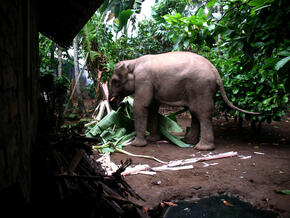
Human-elephant conflict leads not only to negative interactions and loss of income, property, and lives, but also reduces community tolerance for conserving elephants. Addressing complex bug like homo-wildlife conflict requires approaches that non simply reduce the immediate impacts of negative interactions only also addresses the drivers and root causes of the conflict. WWF works with diverse stakeholders—particularly wildlife managers and communities—to incorporate tools and technologies, such as electric fencing, deterrents, and other tools, to preclude potentially harmful encounters. We also engage in efforts to educate communities that lead to beliefs change that will minimize negative impacts. We help customs response teams to respond to instances of homo-elephant conflict and work with communities to develop culling livelihood opportunities to help minimize economic impacts from crop loss. To reduce homo-wildlife conflict in the long term, WWF works with governments and other stakeholders to address the root causes of human being-elephant conflict, such as habitat loss and fragmentation and unplanned evolution.
Strengthening Anti-poaching Initiatives
Community and regime rangers and game guards help protect endangered species like elephants and WWF helps railroad train and equip them. In the Kavango Zambezi Transfrontier Conservation Expanse (KAZA), the world's largest terrestrial conservation landscape, which harbors more than than half of Africa'south elephants, WWF aims to secure a future for these animals and other wildlife by supporting the work of the KAZA Secretariat and the 5 KAZA partner countries (Angola, Botswana, Namibia, Zambia, and Zimbabwe) and their local communities through better protection, increasing the knowledge of their seasonal movements, and promoting community-based conservation initiatives, in collaboration with the private sector. WWF trains rangers in elephant monitoring and antipoaching techniques and works with communities to manage and reduce conflict with elephants.
At the borders of Cambodia and Vietnam, WWF works with park staff to patrol protected areas and assess elephant distribution and numbers. In this transboundary mural, WWF works to protect and enable movement of the elephant population, of which the population on the Vietnam side is meaning and the largest remaining wild elephant population in the country.
Stopping Illegal Ivory Trade
WWF works with TRAFFIC, the international wildlife trade monitoring network, to reduce the major threat that illegal and illicit domestic ivory markets pose to wild elephants. TRAFFIC also manages a global record of ivory seizures, chosen the Elephant Trade Information System (ETIS), that helps to place routes and countries of particular importance in illegal trade.
To assistance wildlife inspectors, law enforcement, and researchers distinguish between unlike types of ivory and help identify illegally trafficked ivory products, WWF published the Identification Guide for Ivory and Ivory Substitutes, at the request of, and funded by, the Convention on International Merchandise in Endangered Species of Wild Animate being and Flora (CITES), in partnership with TRAFFIC and ivory identification experts from the USFWS Forensic Laboratory. Information technology serves equally an objective, scientific resource for identifying the well-nigh commonly found ivories and bogus substitutes in merchandise.
Reducing Demand for Elephant Ivory
Prc's elephant ivory ban is a historic milestone in the ongoing endeavour to save an iconic species. Merely with Cathay's markets closed, markets elsewhere remain open up and proceed to attract consumers. And as more and more Chinese travel internationally—nearly 200 million Chinese tourists travel away each year—incidents of elephant ivory smuggling are on the ascension. WWF is working directly with these countries to back up the closing of their elephant ivory markets and leverage international policy and affairs channels. A large focus for WWF is also changing consumer beliefs to reduce elephant ivory purchasing and create a new norm that elephant ivory is not socially acceptable. We are working with leading online retailers, social media platforms, tourism companies, and creative agencies. Strong partnerships are already in place with the travel and e-commerce sectors, with commitments to avoid promoting, treatment, or selling elephant ivory. WWF is also working with a leading market place enquiry firm to conduct annual surveys of consumers to better sympathise consumer attitudes and desire for elephant ivory so that we tin modify social norms effectually ivory and reduce demand. Through this research, we are able to identify demographics of elephant ivory purchasers and consumers, understand their underlying motivations, and develop effective strategies to influence them.
Protecting Elephant Habitat
WWF works with elephant range state governments, local people, and not-governmental partners to secure a time to come for this keystone species by thinking across protected areas. Although meaning elephant populations are at present confined to well-protected areas, less than 20% of African elephant habitat is under formal protection. In Asia, on average, 70% of the wild elephant population lives exterior protected areas. We abet for large conservation landscapes like KAZA, which is located in southern Africa and is the largest terrestrial transboundary conservation expanse in the earth. Home to effectually 225,000 elephants, nosotros work to maintain this infinite to provide elephants liberty to roam.
solomontuptionvill.blogspot.com
Source: https://www.worldwildlife.org/species/elephant
0 Response to "Elephant & Piggie Like Reading! We Are Growing!"
Post a Comment